


Turkish Airlines delivered strong financial and operational results in the second quarter of 2026, overcoming the challenges caused by geopolitical tensions in the Middle East and higher jet fuel prices through flexible capacity management, a diversified business model, and strong passenger and cargo demand.
The airline’s total revenue increased 20.5% year-on-year to $7.2 billion during Q2 2026. Cargo revenue also recorded significant growth, rising 58% year-on-year to approximately $1.3 billion, supported by strong demand and the performance of Turkish Cargo.
The company’s EBITDAR margin reached 12.6%, exceeding its 8% target, while EBITDAR surpassed $900 million. Turkish Airlines also reported a net profit of $197 million for the quarter, supported by the positive performance of its investment portfolio.
Passenger Demand Drives Record Load Factor
Strong demand from Asian markets, alongside continued momentum across Europe and Africa, helped Turkish Airlines increase its passenger load factor by 1.8 percentage points to 84%.
The figure represents the airline’s highest second-quarter passenger load factor in its history, highlighting the resilience of passenger demand despite ongoing geopolitical uncertainty.
Turkish Airlines also continued expanding its fleet in line with its long-term sustainable growth strategy. Its fleet grew 14% year-on-year to 552 aircraft by the end of June 2026.
During the first six months of the year, the company invested $3.1 billion, while its consolidated assets reached $51 billion. The total number of employees across Turkish Airlines and its subsidiaries exceeded 101,000.
Turkish Cargo Boosts Revenue by 58%
Despite the impact of Middle East geopolitical developments on global air cargo capacity during the second quarter, Turkish Cargo successfully responded to market demand, benefiting from its strong infrastructure and Turkey’s strategic geographic position.
Cargo volumes increased 11.3%, while cargo revenue surged 58% to approximately $1.3 billion compared with the same period last year.
The strong cargo performance helped offset part of the cost pressures resulting from higher fuel prices and supported the airline’s overall financial performance.
Flexible Operations Help Mitigate Fuel Cost Pressures
The impact of the Middle East conflict was reflected in Turkish Airlines’ second-quarter financial results, particularly through the delayed effect of the sharp increase in jet fuel prices on operating costs.
However, higher passenger and cargo revenues helped offset some of the cost pressures. The company’s selective growth strategy, disciplined cost management and continued focus on profitability also supported its performance.
For the third quarter of 2026, Turkish Airlines expects its EBITDAR margin to range between 20% and 25%, supported by expectations of continued strong demand for passenger and cargo services.
The company expects strong demand to help mitigate the negative impact of higher jet fuel prices resulting from renewed geopolitical tensions.
Murat Şeker: We Successfully Managed a Challenging Period
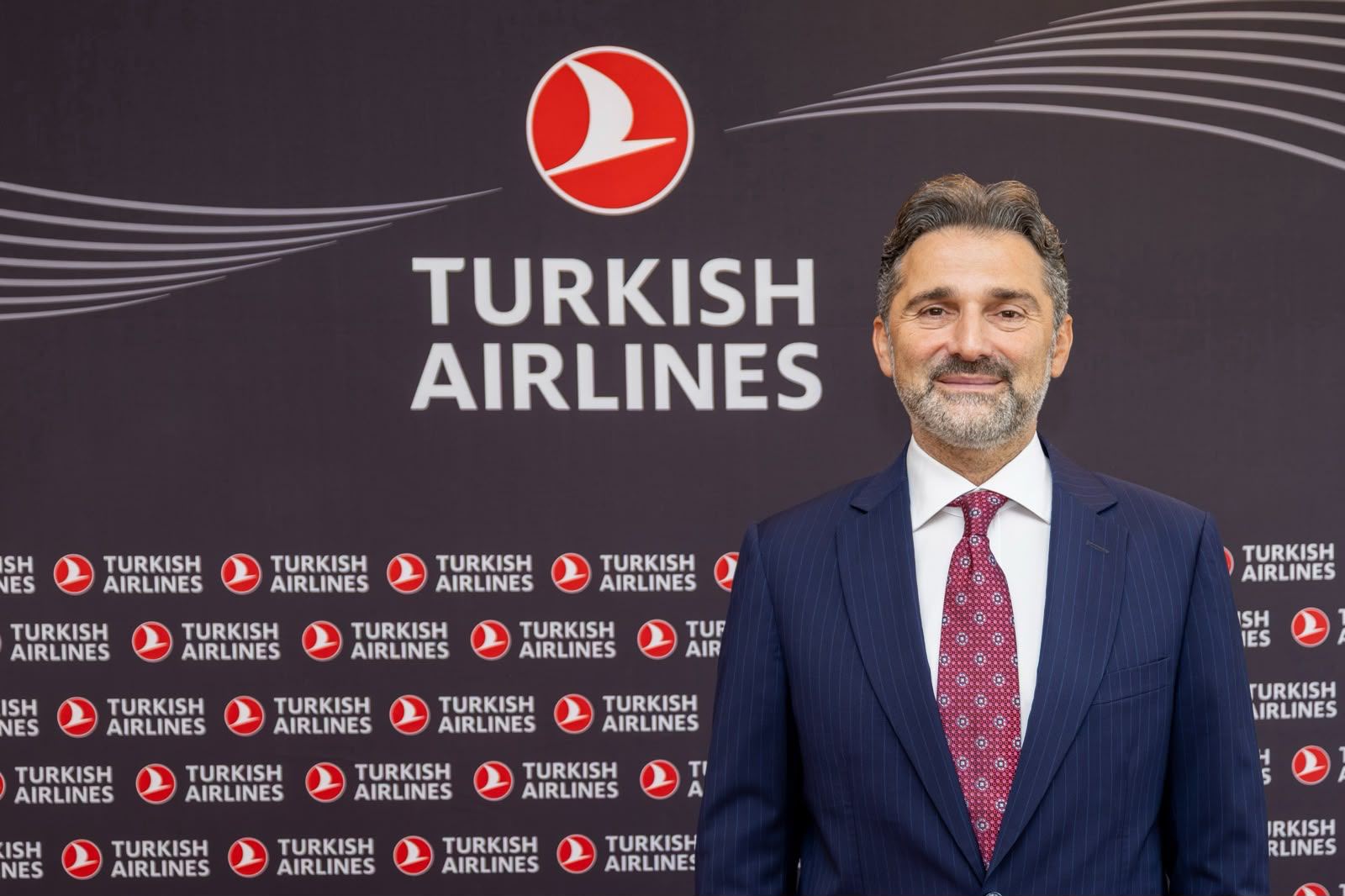
Prof. Murat Şeker, Chairman of the Board and Executive Committee of Turkish Airlines, said the company successfully navigated the challenging period despite geopolitical uncertainty in the Middle East and a sharp increase in fuel prices.
He attributed the company’s resilience to its extensive flight network, diversified business model, operational flexibility and ability to respond quickly to changing market conditions.
Şeker added that Turkish Airlines continued to implement comprehensive initiatives aimed at improving efficiency across its operations while maintaining a disciplined approach to cost management.
He emphasized that the airline will continue connecting continents, cultures and people through its products and services, while keeping flight safety and customer satisfaction at the center of its priorities.
According to Şeker, the strength of the company’s operations, solid financial position and skilled workforce will enable Turkish Airlines to continue pursuing its centennial goals despite the challenges facing the aviation industry.
Turkish Airlines Continues Global Expansion
Following a successful second quarter, Turkish Airlines continues to strengthen its position as Türkiye’s flag carrier, supported by its extensive global network, modern fleet and service quality.
The airline plans to further expand its contribution to the sustainable growth of the aviation sector in Türkiye and worldwide, in line with national development priorities and its long-term centennial strategy.