


2026 marks the market’s shift away from speculative pricing toward a more balanced, demand-driven phase
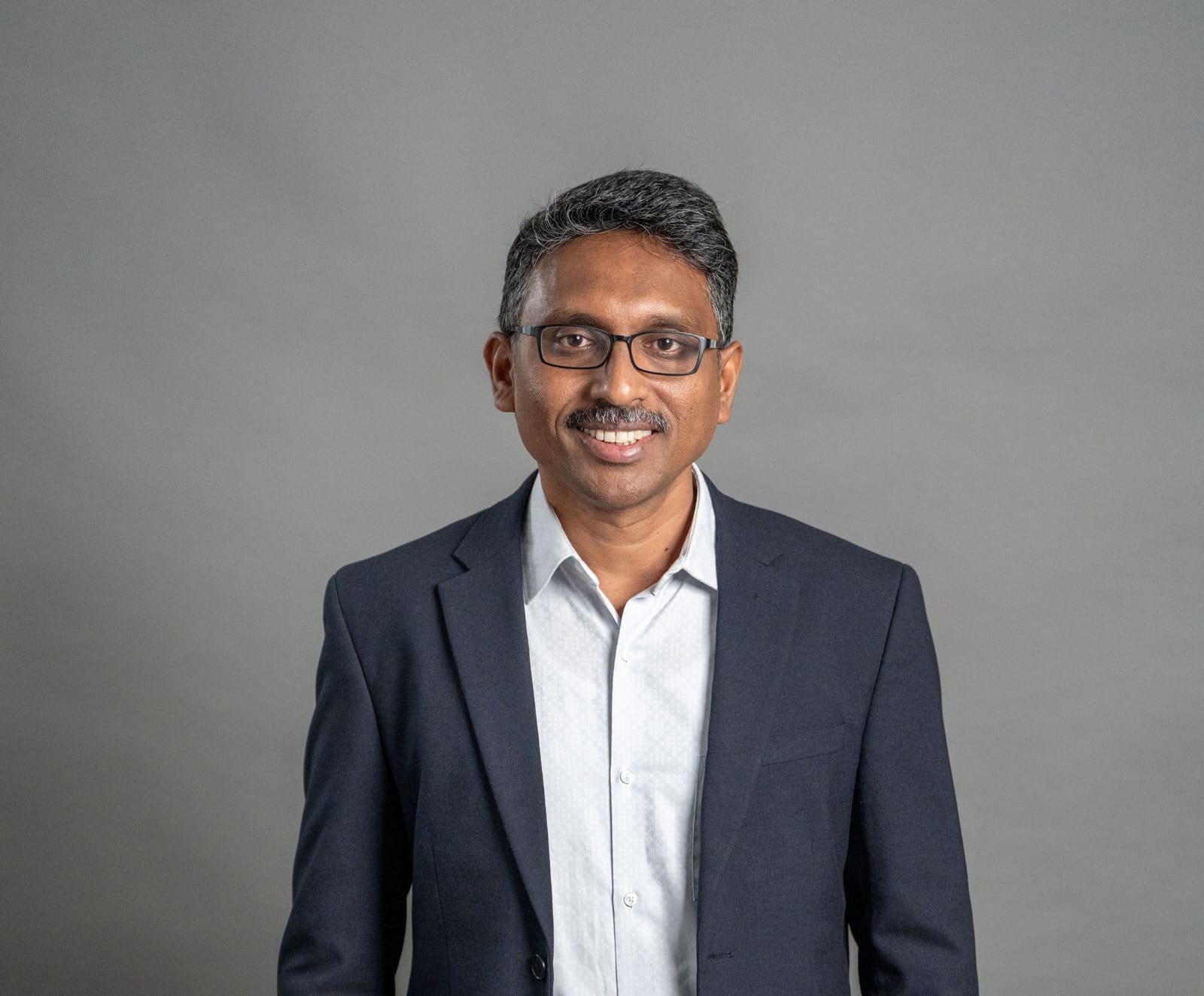
Dr. Mohamed Abdel Gawad, CEO of Vantage Developments, participated today in the session titled “Market Regulation and Legislation as a Pillar of Stability” during the Akhbar Al Youm Real Estate Conference, where he presented his vision on the development of Egypt’s real estate market and the mechanisms needed to enhance its sustainability in the coming period.
During his remarks, Abdel Gawad stated that the Egyptian real estate market still requires greater maturity in pricing mechanisms through the introduction of clear and structured policies that limit unregulated practices and speculative pricing. He explained that the market needs controls that prevent units from being offered below actual cost merely to cover short-term obligations or accelerate collections, as such practices directly impact market balance and fair competition.
He added that the sector requires clear regulatory frameworks and pricing mechanisms linked to the actual cost of development and construction, as well as to real market demand. Such measures would help curb speculation and unregulated pricing, ensure the sustainability of the sector, support fair competition among developers, and strengthen investor and buyer confidence.
Regarding partnerships, Abdel Gawad noted that the market is witnessing significant growth in collaborations between local developers and regional as well as international companies across both residential and hospitality sectors. He emphasized that a transparent regulatory environment remains a key factor in attracting investments and expanding urban and tourism development.
He also highlighted the importance of reforming the licensing and permitting system, explaining that the growing number of developers in the market, coupled with the increased volume of land plots being offered by the state to both developers and individuals, has led to a substantial rise in demand for permits. This, in turn, has caused delays that affect construction timelines and increase development costs for companies.
He called for the creation of a unified digital platform through which permit applications can be submitted and processed electronically to reduce delays and improve efficiency. He also stressed the importance of extending payment deadlines or suspending land installment obligations when permit issuance is delayed, in order to ease financial burdens on developers, as any administrative delay is ultimately reflected in project costs and final prices for consumers.
Abdel Gawad further emphasized the importance of maintaining balance in the relationship between clients and developers, particularly in light of the challenges faced by the market in recent years, including rising prices and delays in some project deliveries.
He explained that since 2022, developers have absorbed significant increases in construction costs, building materials, and currency fluctuations, while remaining bound by contracted sale prices and unable to revise them after signing agreements. In some cases, this resulted in actual development costs exceeding the original sale price, especially given long-term installment plans that are still ongoing, meaning developers have not yet fully recovered their costs.
He added that this situation placed considerable financial strain on developers, while clients benefited from substantial appreciation in property values upon delivery, with some units recording increases of 300% to 400% compared to their purchase prices in 2022. This reflects the strong investment returns achieved by buyers.
He noted that maintaining the sector’s sustainability requires a more balanced framework between both parties—one that protects client rights while also taking into account developers’ ability to cover actual costs and ensure continued project execution and delivery.
Abdel Gawad concluded that achieving balance in the real estate market requires stronger public-private cooperation, supported by flexible legislation and efficient implementation to sustain growth and enhance long-term confidence in the sector.