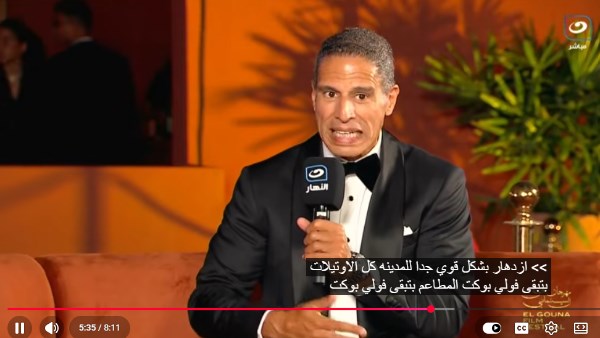

One of the most important sessions of Egypt’s first Cloud and AI Day, hosted by Nutanix and Dell Technologies, featured a panel of technology leaders and experts in digital transformation and artificial intelligence discussing the role of AI in reshaping global economies, including opportunities and challenges. The debates were moderated by media celebrity Osama Kamal, who emphasized the importance of implementing national AI plans that protect Egyptian social identity and economic interests at both the governmental and private sectors.
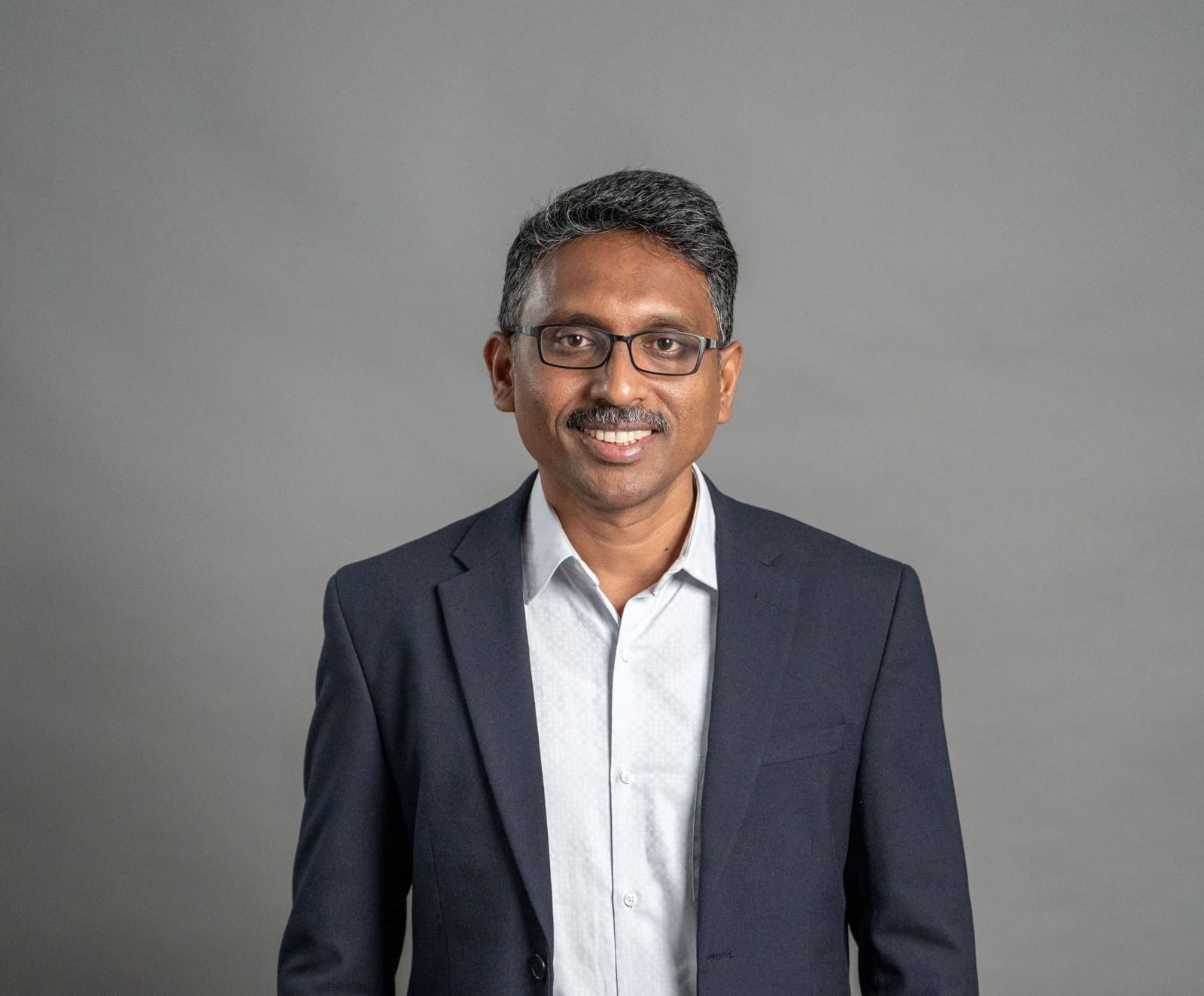
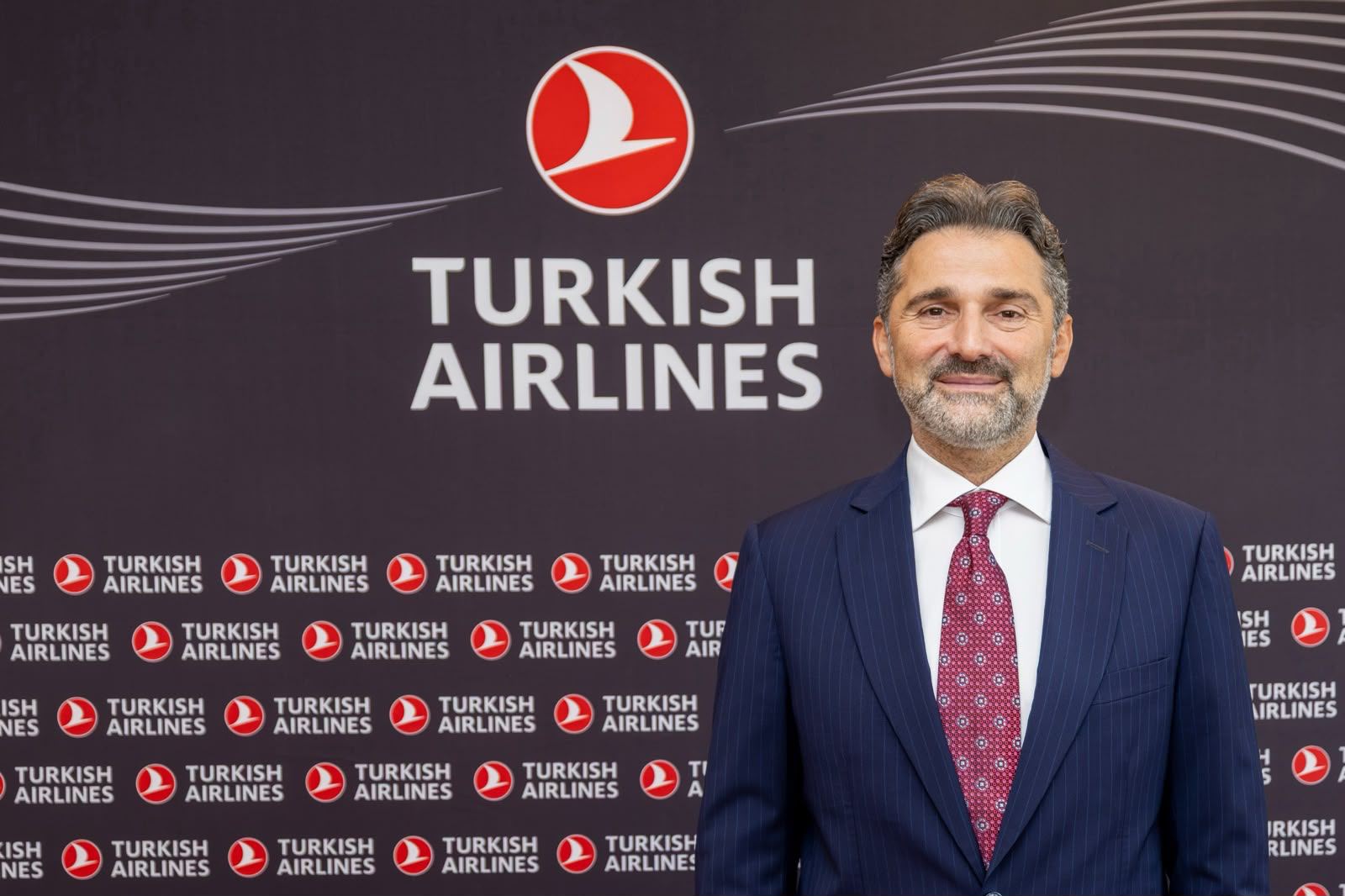
Eng. Mahmoud Badawy, Advisor to the Minister of Communications and Information Technology for Digital Transformation; Eng. Ayman El Gohary, a digital transformation expert; Eng. Mohammad Abulhouf, Vice President and General Manager for Emerging Markets at Nutanix, Mr. Sherif El Beheiry, Chairman of Misr Digital Innovation; and Eng. Ayman El Marakby, Pre-Sales Director at Dell Technologies in Egypt and Saudi Arabia, all attended the session.
Eng. Mahmoud Badawi, Advisor to the Minister of Communications and Information Technology for Digital Transformation, discussed the Egyptian market’s preparation for huge worldwide advancements in artificial intelligence. He stated that the government is working on numerous AI concerns, including whether to enact AI law. Meanwhile, the Ministry of Communications prioritizes promoting the AI sector and has provided training in several disciplines.
He noted that AI preparedness is assessed using the availability or absence of skills on which the government is working. It also looks at the legislative framework, which the ministry is also researching, as well as the technology and infrastructure needed to support the expansion of AI and finally looks at its numerous uses in both the public and commercial sectors. The ministry is also investigating ways to boost AI entrepreneurship.
He noted that AI preparedness is measured by the availability or absence of skills on which the government is working. It also looks at the legal framework, which the ministry is also reviewing, as well as the technology and infrastructure needed to support the expansion of AI and finally focuses on numerous uses in both the public and commercial sectors. The ministry is also investigating ways to assist entrepreneurship in the AI industry.
As a digital engineer, he shared his own perspective on the discrepancy in nations’ expenditure on technology, artificial intelligence, and digital transformation, and how this is offset by countries that spend less on technology. Therefore, Eng. Mahmoud Badawi thinks that small countries must rely on human capacities to grow and spread, ensuring that everyone can develop and produce software. This enables smaller nations to benefit from huge technical capabilities on a big scale, as well as increased penetration of small entities in comparison to the restricted, larger organizations inside larger countries.
Furthermore, he emphasized the importance of investing in artificial intelligence and its capacity to handle Egyptian vernacular languages, so that the local market may benefit more completely. He also highlighted the necessity for the state, through both public and private enterprises, to build local AI applications as well as produce and export AI tools and apps.
For his part, Ayman El Gohary, a digital transformation expert, discussed the future path of educating people or robots using artificial intelligence. El Gohary believes that AI is defined in several sectors depending on the applications that are intended for implementation in different areas. Small businesses are now recognized for their ability to communicate and exploit opportunities in collaboration with large organizations in the field of artificial intelligence. Today, artificial intelligence has a broad impact, and robots will learn for themselves rather than be taught. Humans must learn how to interact with and benefit from artificial intelligence, which may reduce labor capabilities in certain industries while improving it in others.
He additionally tackled the quick advancements in artificial intelligence and the best moment for organizations to decide to invest in AI, which may transform tomorrow and necessitate changes to existing systems and new investments. El Gohary said that organisations’ technology investment decisions differ from one another depending on the nature of their activity, with some activities necessitating the rapid adoption of AI-powered technology. In general, businesses must stay up with innovations on a continuous basis and invest in technology, including AI, to improve their company processes. Their failure to invest in AI will not lead their company to fall behind competitors that do.
Eng. Mohammad Abulhouf, Vice President and General Manager for Emerging Markets at Nutanix, suggested that keeping up with AI expenditure is a huge issue that demands a strong desire to change since it is in the public interest. As a result, it is vital to identify the intended needs for AI use, which is the most pressing issue today because not everyone understands what they need from AI. There are several applications and scenarios for AI that may be used.
He went on to say that there are international and governmental rules for the use of AI, and that institutions must have internal controls in place to employ AI successfully. AI processes must be controlled to define tasks and produce optimal outcomes.
He underlined the insurance risks that have evolved as a result of the use of artificial intelligence. According to Abulhouf, hackers are also studying the use of AI, but there is no need to avoid AI due to worries about increased insurance risks. Rather, communities must be educated on AI risk mitigation strategies, as well as made aware of AI-driven assaults.
On the other hand, Mr. Sherif El Beheiry, Chairman of Misr Digital Innovation, spoke about the challenges involved with the current shift to digital banking. El-Beheiry stated that it is natural to use new technology while building a new bank. The advantage is complete freedom in building the required infrastructure to support the digital bank’s business model, as well as the ability to constantly adapt and develop that infrastructure. However, AI cannot currently decide whether to award or reject consumer credit. Yet, in the future, artificial intelligence may be created to make similar judgements. As a result, operational guidelines and the construction of digital banks must be highly flexible.
Moreover, He reinforced that the major goal and criteria is to examine insurance operations, which are the backbone of bank operations and need the highest level of client confidence. Spending, particularly on improving insurance operations, continues a continuous basis, rather than only upon inception. No bank president concludes his day by assuring profitability; instead, he prioritizes insurance and security elements in all their manifestations. Previously, credit risk was the most major concern; but, with the advent of technology, cybersecurity risks have emerged as the most important and critical issue since their dimensions are unknown and cannot be physically assessed, similar to credit risk.
Eventually, Eng. Ayman El Marakby, Pre-Sales Director at Dell Technologies in Egypt and Saudi Arabia, underscored that all technologies require time to propagate to all individuals. Even artificial intelligence began decades before it became well known and had so many open and free resources. It has been 26 years since its development.
However, when it comes to quantum technology, we believe that countries should prioritize the use of quantum technology tools in the insurance sector, while companies and private sector institutions should expand their use of defensive artificial intelligence in a variety of fields, as this is the path to the use of new technologies in the future.